electrical engineering
-
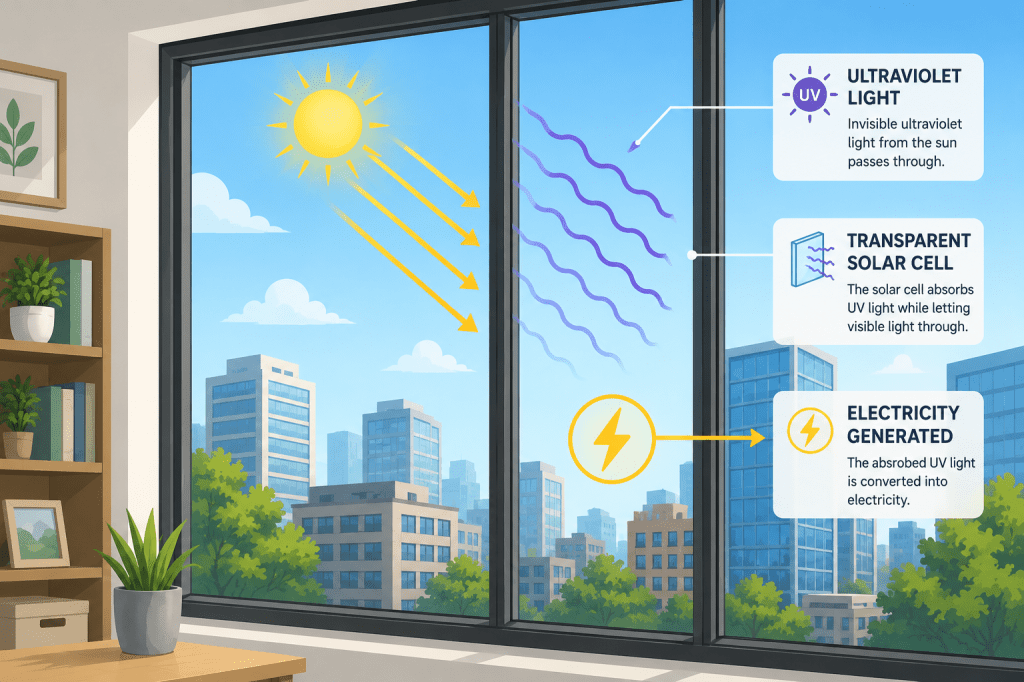
Imagine looking through an ordinary window that is quietly producing electricity throughout the day. That vision is moving closer to reality as researchers in South Korea continue developing transparent solar cell technology capable of generating power while remaining clear enough for everyday use. Instead of absorbing visible light like traditional solar panels, these advanced photovoltaic…
-

Before outlets, switches, and light fixtures can be installed, electricians complete the electrical rough-in—the phase where the building’s hidden electrical infrastructure is installed before insulation and drywall. During the rough-in, electricians mount electrical boxes, drill pathways through framing members, route branch-circuit wiring, secure cables, and position the system according to the electrical plans. Because these…
-
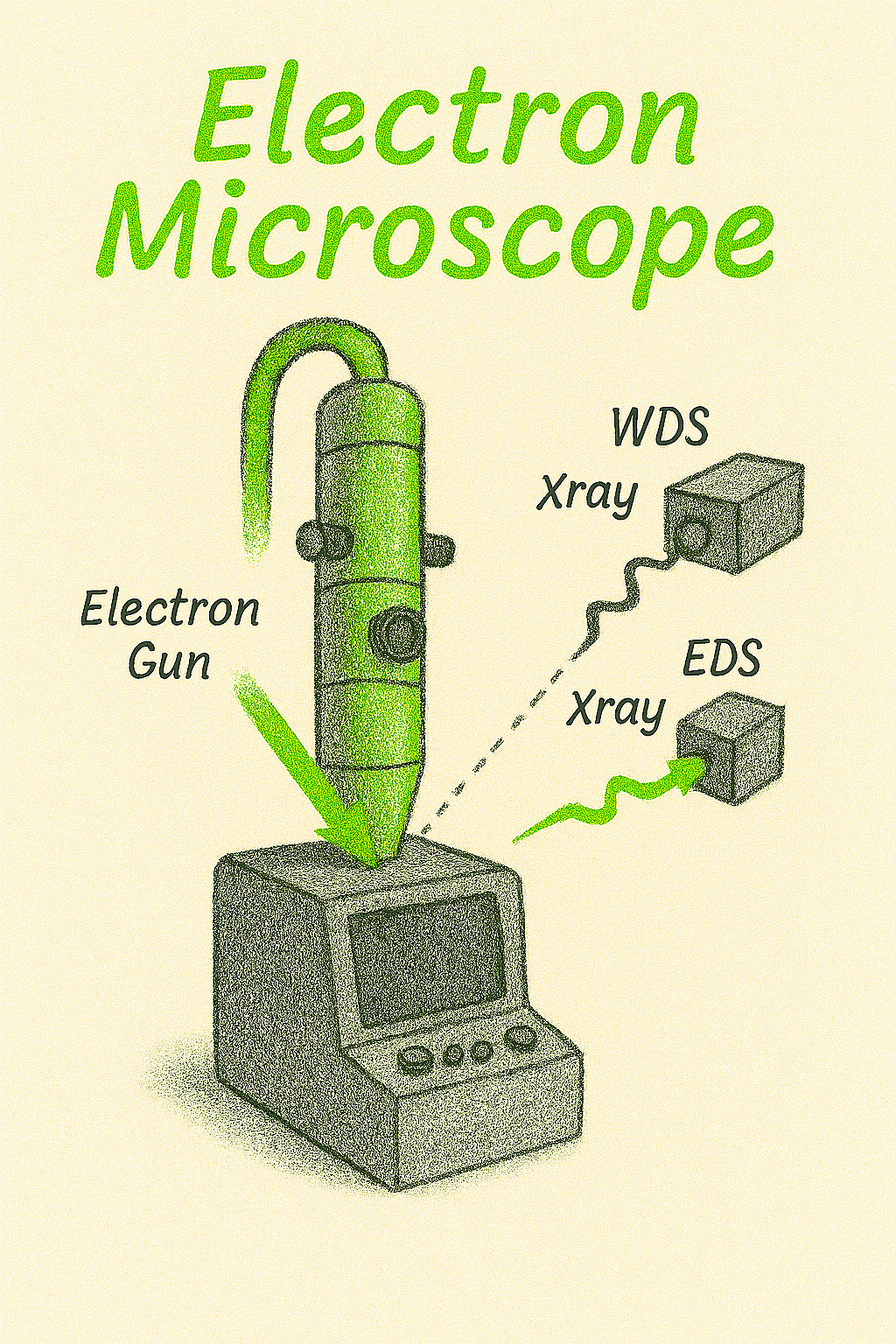
Bremsstrahlung, meaning “breaking radiation” in German, is the electromagnetic radiation produced when a charged particle, typically an electron, is decelerated or deflected by the electric field of an atomic nucleus. As the electron slows down or changes direction, the lost kinetic energy is emitted as photons, often in the X-ray range. This process is a…
-

A string inverter is a centralized power conversion device used in solar energy systems to transform direct current (DC) electricity generated by multiple photovoltaic (PV) panels into alternating current (AC) electricity suitable for use in homes, businesses, or the electrical grid. In this configuration, solar panels are electrically connected in series to form a “string,”…
-

Solar inverters are essential devices in photovoltaic (PV) systems that convert the direct current (DC) electricity generated by solar panels into alternating current (AC) electricity, which is compatible with household appliances and the utility grid. They serve as the “brain” of a solar energy system, not only enabling energy conversion but also managing system performance,…
-
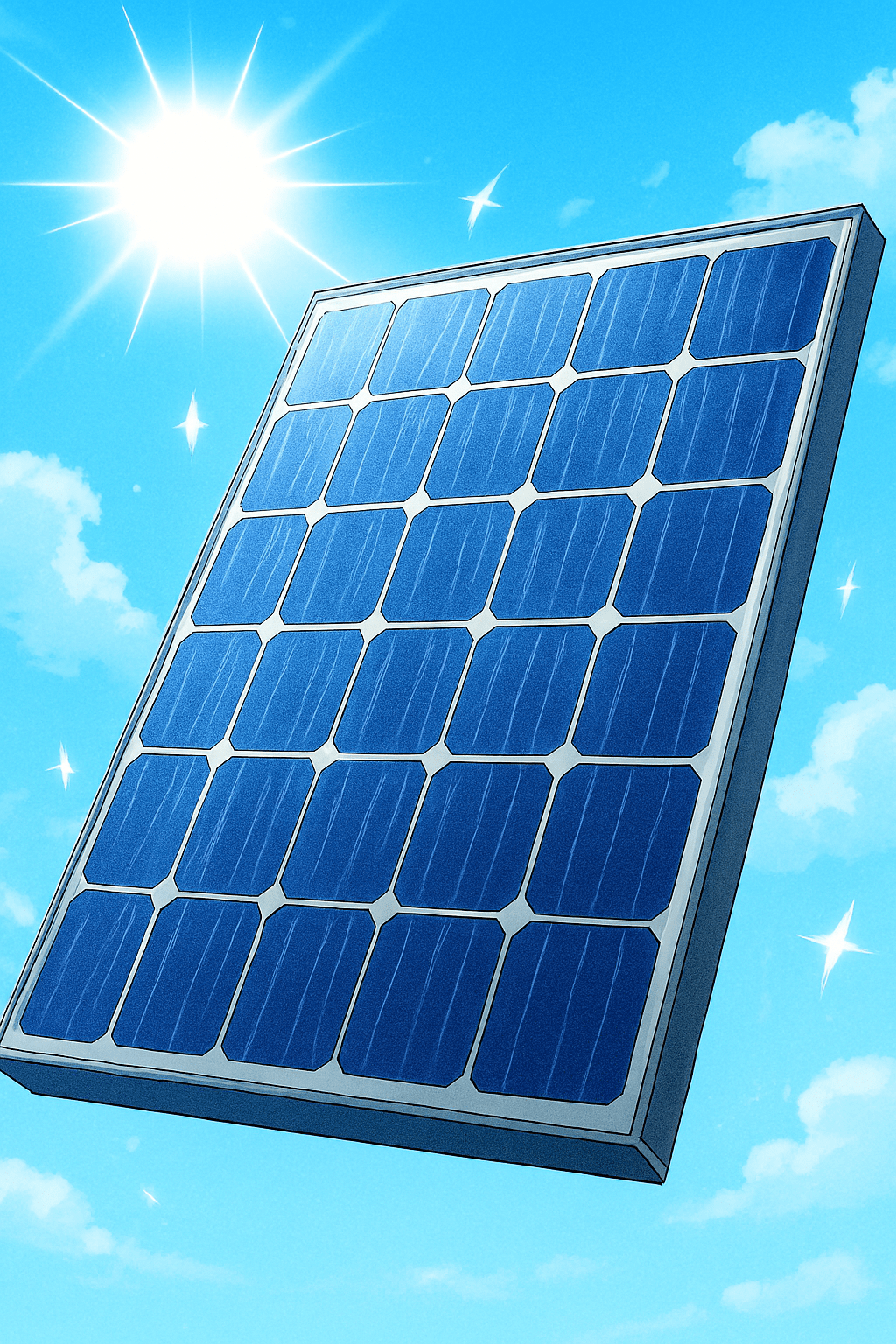
PV modules, commonly known as solar panels, are the foundational units of solar energy systems. Each module contains numerous photovoltaic cells—usually made from monocrystalline or polycrystalline silicon—that work together to generate electricity through the photovoltaic effect. These cells are embedded between layers of protective materials: a front layer of tempered glass for durability and light…
-
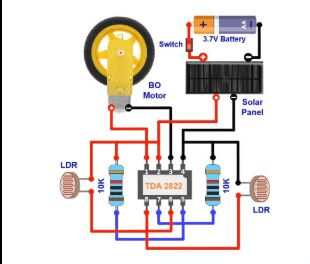
This DIY electronic solar tracker is a clever and simple project that helps a small solar panel automatically follow the sun to capture the maximum amount of sunlight throughout the day. The schematic illustrates a simple automatic solar tracker that uses two light-dependent resistors (LDRs) to sense the direction of the brightest sunlight and drive…
-

A lattice atom refers to an atom that occupies a regular, repeating position within the crystal lattice of a solid material. In crystalline solids, atoms are arranged in a highly ordered structure known as a lattice, where each atom is situated at a specific point defined by the geometry of the unit cell. These lattice…
-

Wavelength Dispersive Spectroscopy (WDS) is an analytical technique used in electron microscopy to determine the elemental composition of materials with high precision. In WDS, characteristic X-rays emitted from a sample are diffracted by a crystal and separated based on their wavelength before being detected. This method provides excellent spectral resolution, allowing researchers to distinguish between…
-
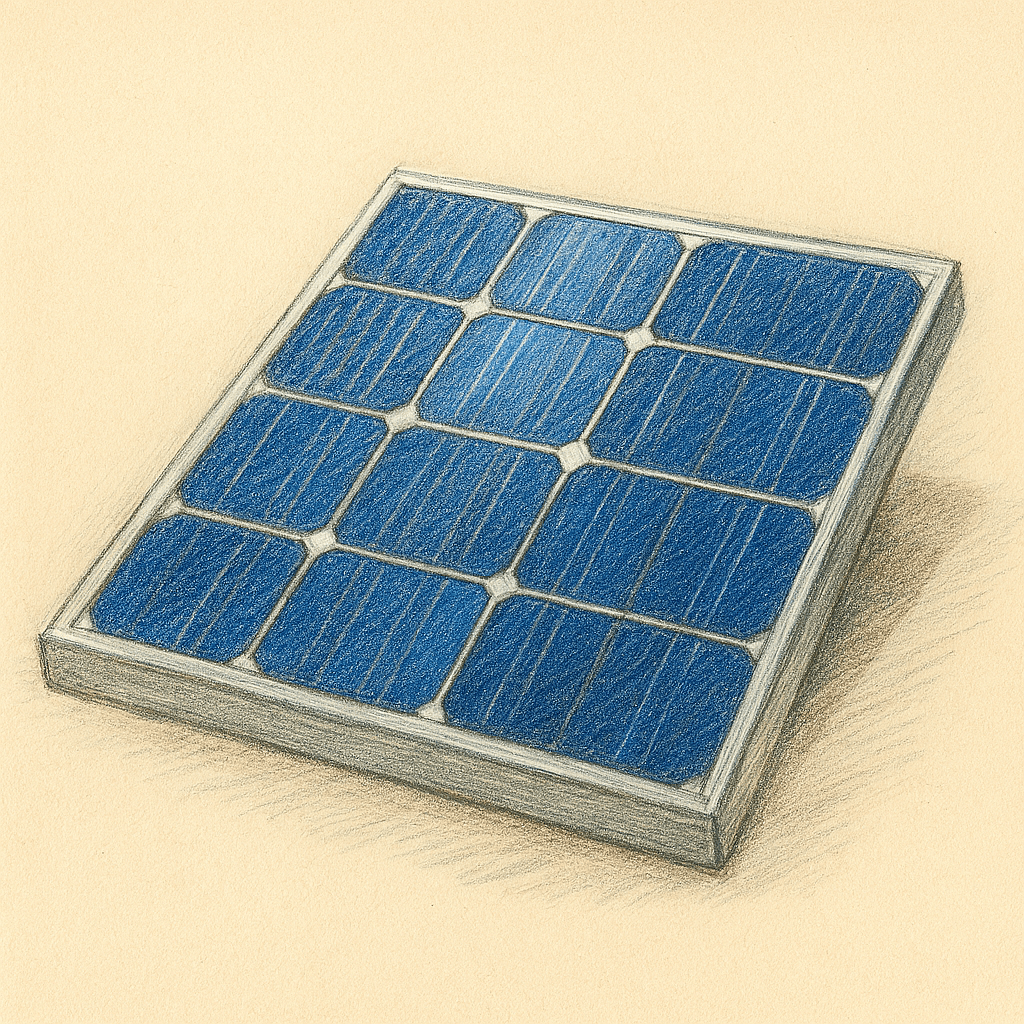
Solar cell roughness characterization is the process of analyzing and quantifying the surface texture of photovoltaic materials to understand how microscopic topographical features influence optical and electrical performance. The surface of a solar cell—whether crystalline silicon, thin-film, or emerging materials like perovskites—plays a critical role in determining how light interacts with the device. Controlled roughness…
-
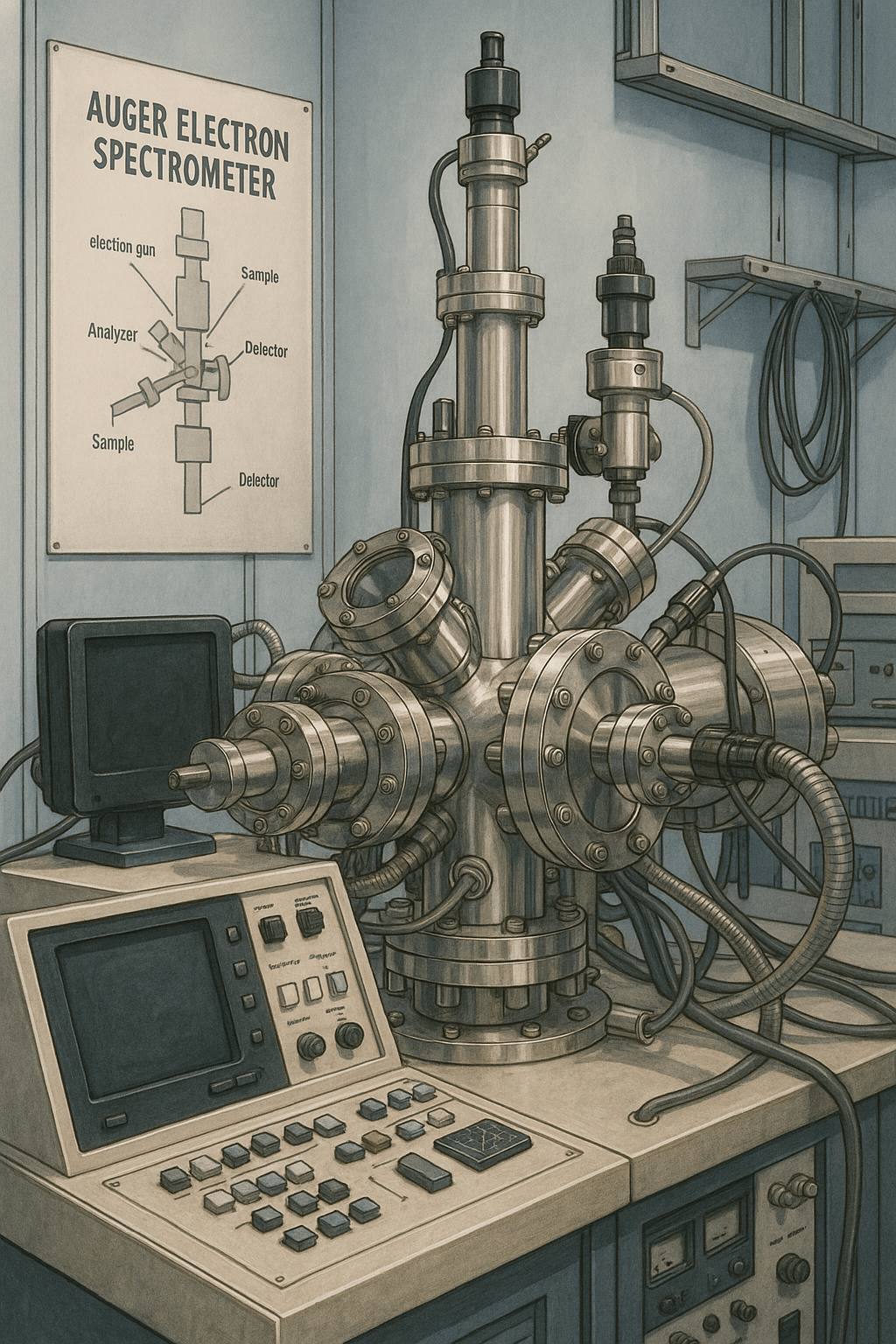
Auger electron emission is a physical process that occurs when an atom with a vacancy in one of its inner electron shells undergoes relaxation. After the removal of a core electron—typically by an incident high-energy electron or X-ray photon—an electron from a higher energy level drops down to fill the vacancy. The excess energy released…
-
Auger Electron Spectroscopy (AES) is a powerful surface-sensitive analytical technique widely used in materials science to investigate the elemental composition of the outermost atomic layers of a sample. Unlike bulk characterization methods, AES focuses specifically on the top few nanometers of a material, making it invaluable for studying thin films, coatings, and surface modifications. The…

