semiconductors
-
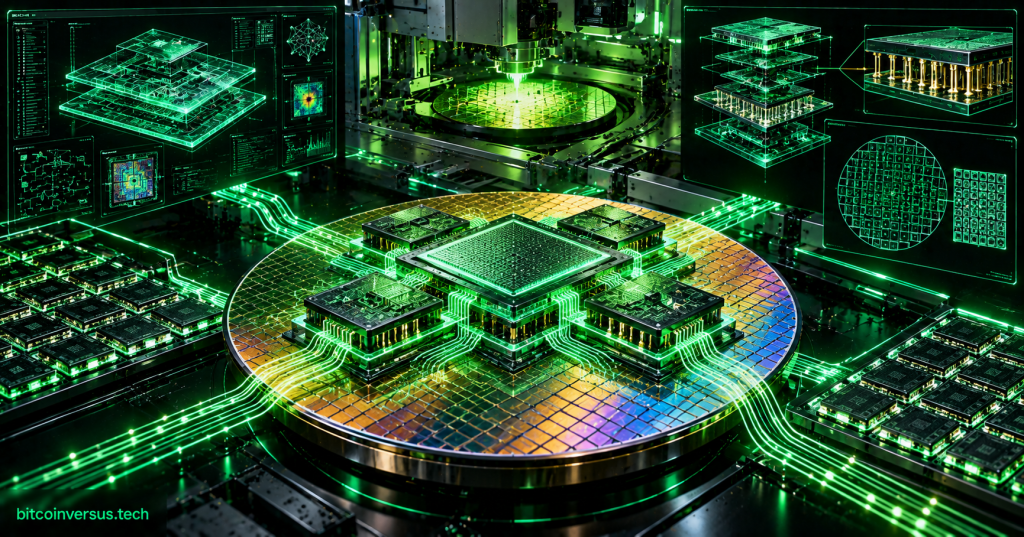
Cadence and TSMC are combining A14-certified design flows, UALink, UCIe-64G and 3DFabric support for wafer-scale AI systems containing hundreds of chiplets.
-
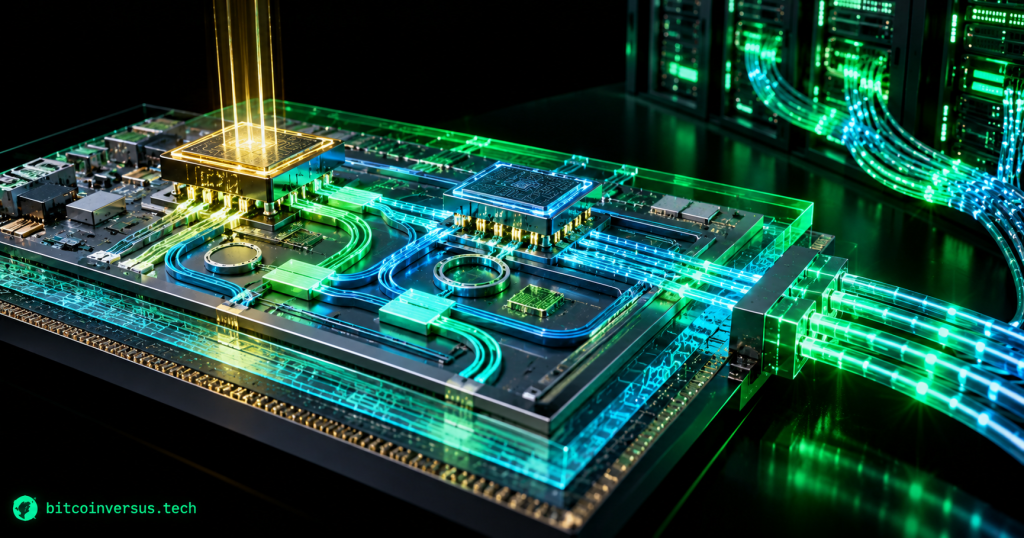
SMART Photonics and GlobalFoundries are creating an open-access foundry service that integrates indium phosphide active photonics with silicon photonics for AI data-center and optical-networking products.
-

Efficient Computer has raised $97 million to push its unconventional dataflow processor architecture from battery-constrained robots and embedded systems toward the data center, while its first Electron E1 chips move into volume production. The company said on September 29 that the Series B values Efficient Computer at $650 million and brings total capital raised to…
-

DeepSeek and Huawei are pushing the software side of China’s AI chip stack closer to the hardware, open-sourcing programming infrastructure for Huawei Ascend accelerators and expanding TileLang as a higher-level path for writing optimized AI kernels. Reuters reported on September 30 that DeepSeek and Huawei worked together on programming tools for Ascend AI chips, including…
-

Hewlett Packard Enterprise has landed a $1.2 billion order from Vultr for AMD Helios AI Rack systems, giving HPE its first customer order for the new rack-scale AMD platform and putting another large U.S. cloud deployment behind open Ethernet-based AI infrastructure. The company announcement says Vultr will deploy the systems across its U.S. cloud data…
-

Samsung Electronics and five affiliates are investing $1 billion in Helix Digital Infrastructure, linking semiconductors, data centers, power, batteries, cooling and fiber in a broader AI infrastructure strategy.
-
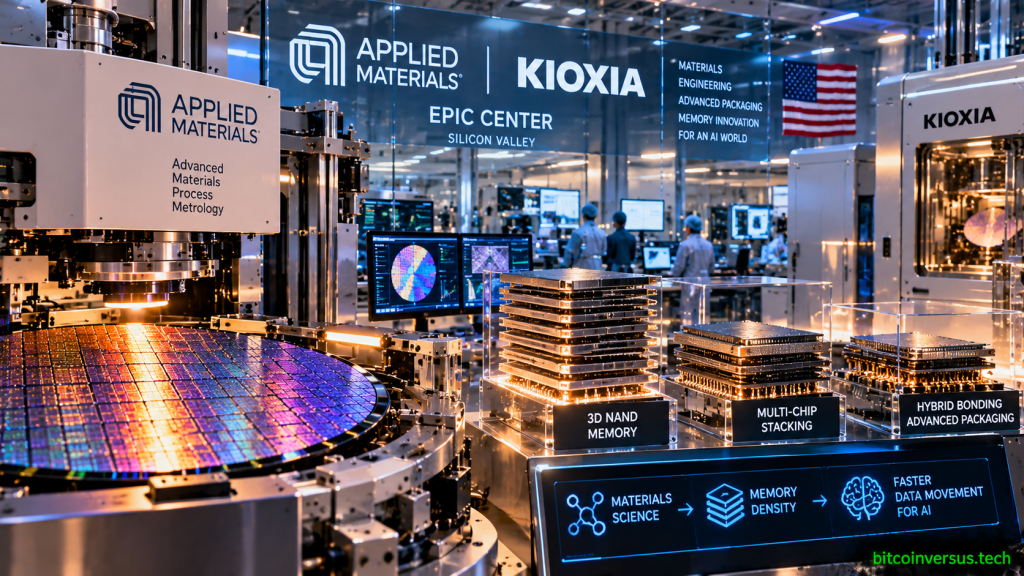
Applied Materials and KIOXIA are moving next-generation memory research into the same collaborative semiconductor lab, targeting the materials, stacking and packaging problems that increasingly determine how much useful AI compute a system can deliver. The September 29 announcement says KIOXIA will join Applied Materials’ EPIC Center in Silicon Valley as an innovation partner. The companies…
-
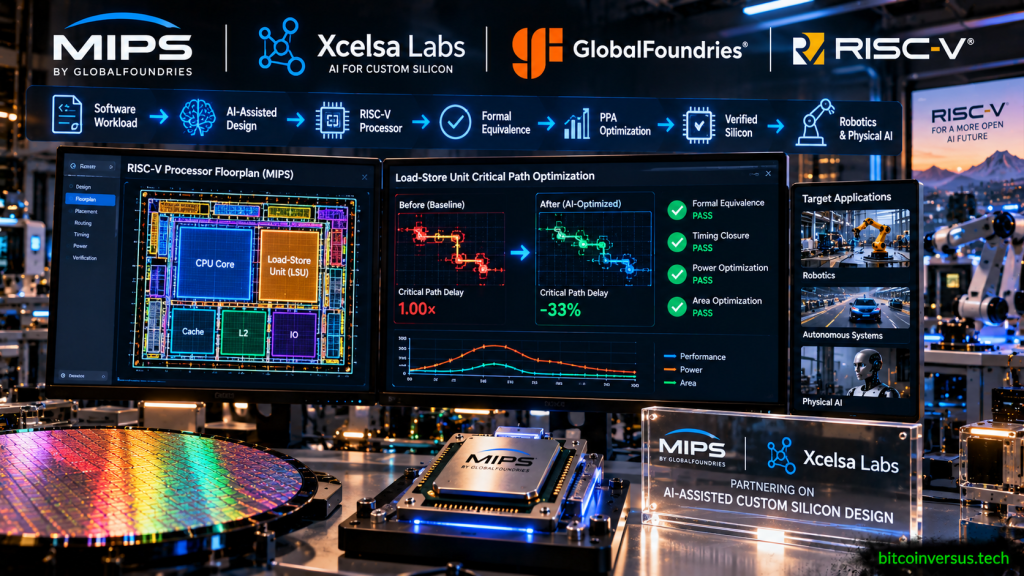
MIPS and Xcelsa Labs are applying artificial intelligence to a difficult semiconductor problem: optimizing production-scale processor logic quickly while proving that the rewritten design remains functionally equivalent to the reference. AI moves into custom-silicon optimization The companies announced a strategic, non-exclusive partnership on September 29 combining MIPS’ workload-focused RISC-V platforms with Xcelsa’s Apex design-optimization system.…
-
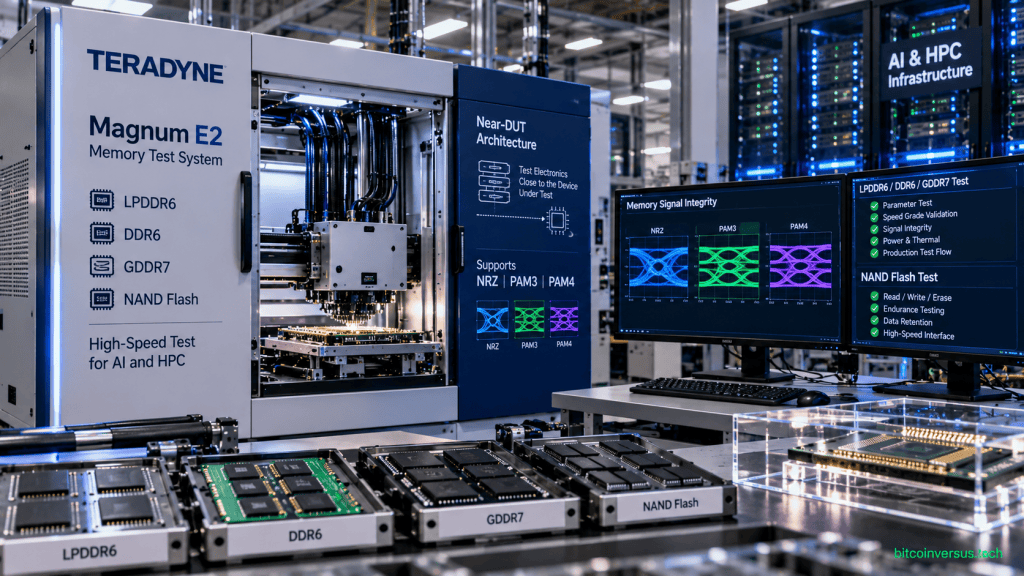
Teradyne has introduced Magnum E2, a new high-speed semiconductor memory-test platform designed for the interfaces expected to feed the next generation of artificial-intelligence and high-performance computing systems. In the September 29 announcement, Teradyne said Magnum E2 supports advanced DRAM and flash interfaces including LPDDR6, DDR6, GDDR7 and NAND. The platform is intended to carry devices…
-

Quantum Blockchain Technologies says its Method C AI Oracle has crossed an important boundary in Bitcoin mining research: from laboratory validation into live testing with hardware and data supplied by an unnamed ASIC manufacturer. Manufacturer data changes the test The company’s September 28 interim results say a mining rig and Mining Development Kit arrived in…
-

Anthropic’s race for AI compute is becoming a long-duration infrastructure commitment rather than a sequence of short cloud purchases. A confidential IPO filing reviewed by Reuters shows the Claude developer plans at least $518 billion of AI infrastructure spending over roughly the next decade, with much of the obligation structured as non-cancelable commitments. Compute contracts…
-
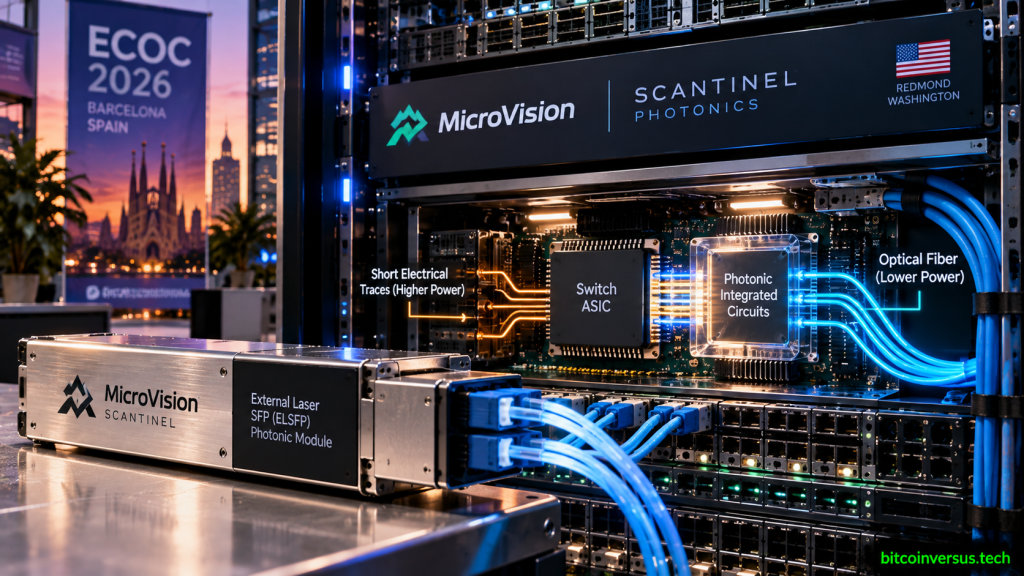
MicroVision is taking technology developed for lidar and aiming it at one of AI infrastructure’s fastest-growing bottlenecks: moving data between accelerators without burning excessive power. Its Scantinel subsidiary has introduced an external laser small form-factor pluggable module, or ELSFP, designed to provide a centralized and serviceable light source for co-packaged optics. A lidar photonics platform…

